Pencil Sketch
Source: Instagram - Pencil Sketch Reel
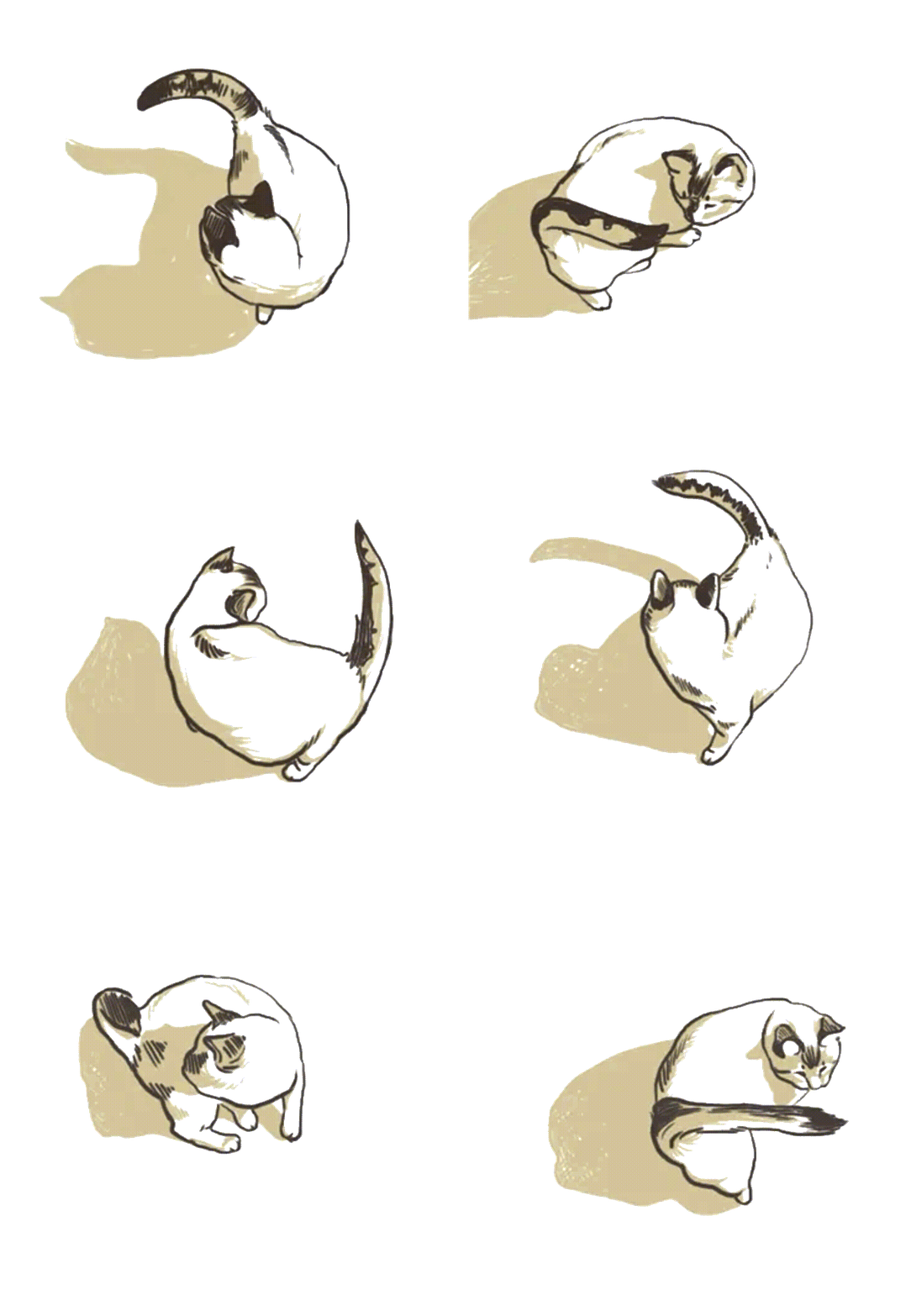
Pencil sketch is the best way to master tones in art. Pencil sketch uses the absence of colour (black and white), to force artists into mastering depth. Pencil sketches are special as their monochrome palette strips away the distraction of colour, forcing a focus on fundamental artistic elements like light, shadow, texture, and composition. By utilizing only shades of grey, graphite creates a timeless, intimate, and often emotional atmosphere that highlights the raw skill of the artist and the delicate details of the subject.
The history of pencil portraits can be traced back to ancient times when early civilizations used rudimentary tools to create simple drawings. The Egyptians, Greeks, and Romans utilized charcoal and metal point instruments to depict human figures, often with a focus on religious or political subjects. However, it wasn’t until the invention of the graphite pencil in the 16th century that the true potential of pencil portraits began to emerge.
Source: Personal Artworks - A Concise History of Pencil Portraiture
The different graphite pencil used for pencil sketching
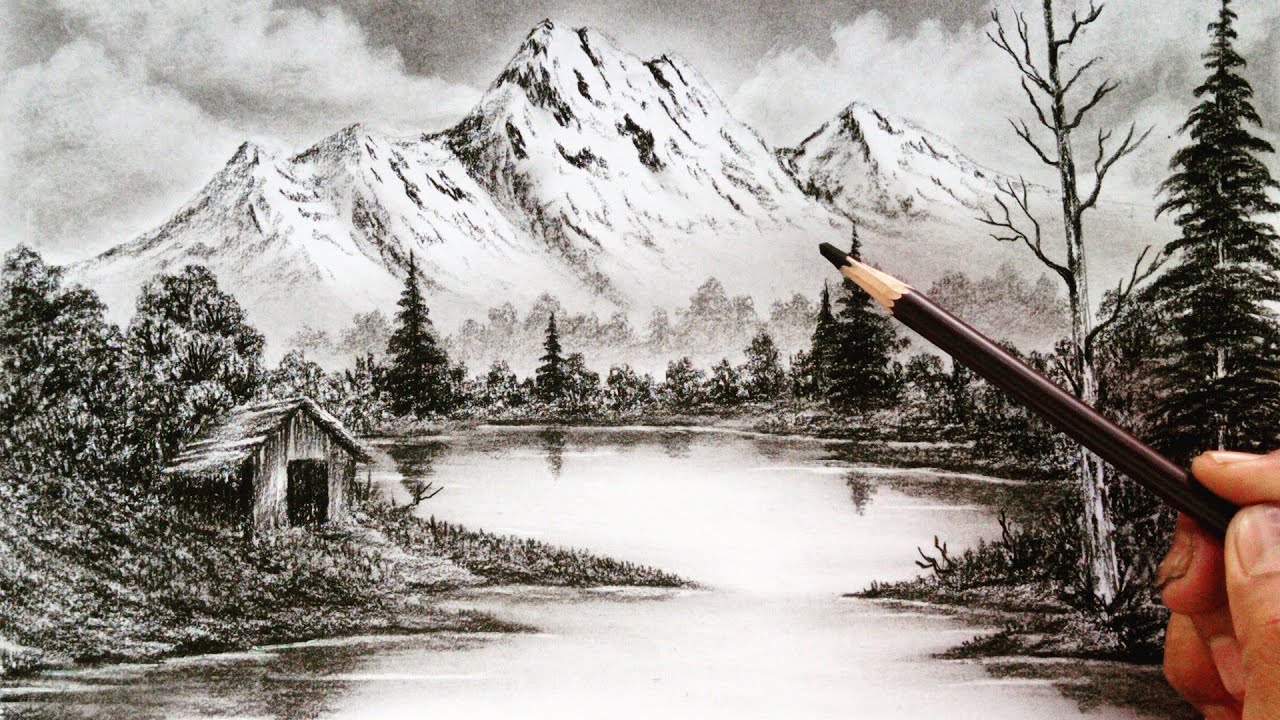
You can use any pencils to draw but below is a quick guide on how you might use different pencil grades. We also recommend experimenting and playing around with the different grades in your set to see what works for you.
9H-5H: Great for making sketches for watercolour paintings because they’re light and don’t show through the paint as obviously. Water-soluble graphite also works well for this purpose because they dissolve in water.
4H-2H: These create a very light mark and are ideal for technical drawing, outlines, light sketches and guidelines.
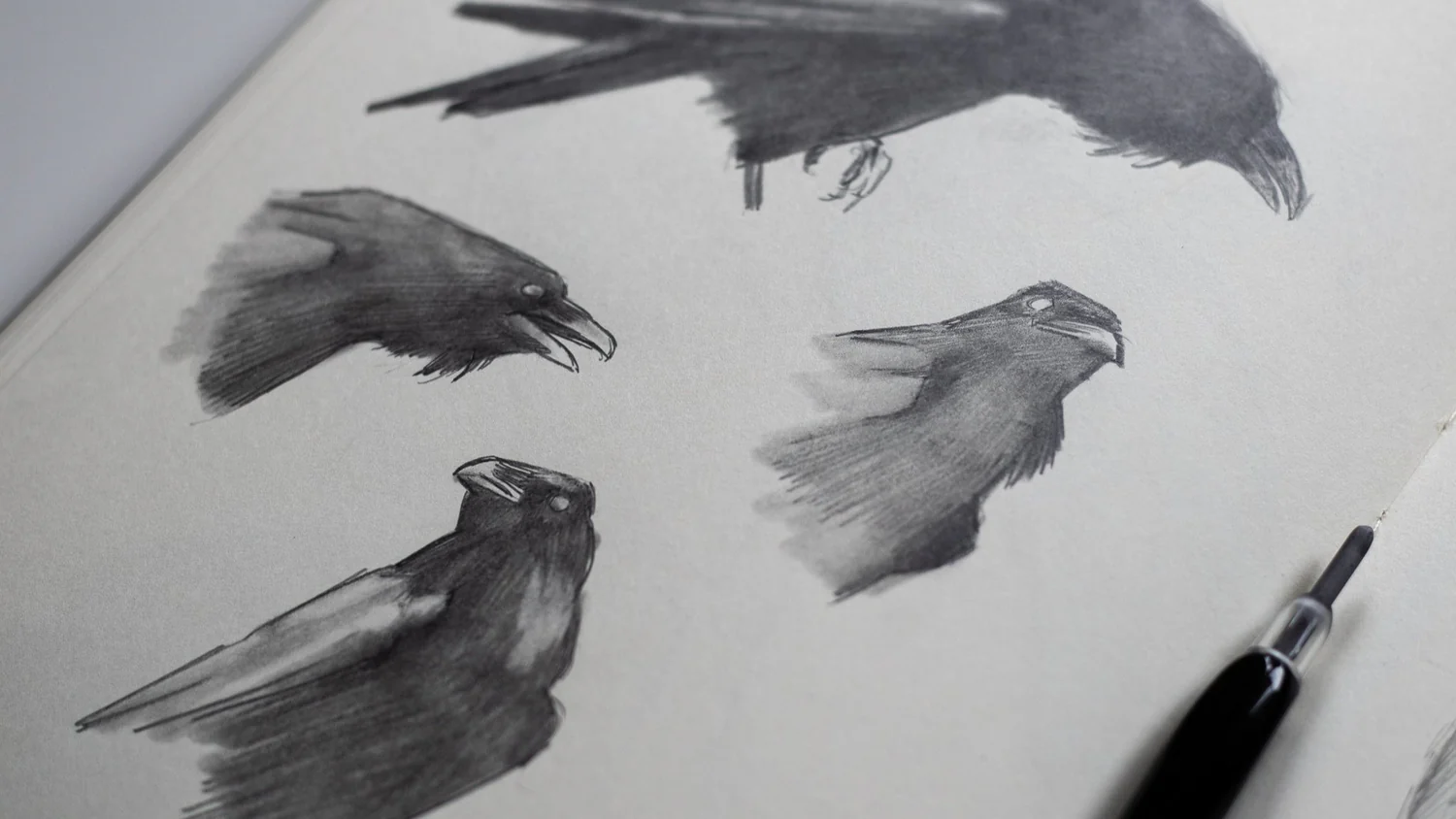
H, F, HB and B: A popular go-to for simple sketches and writing. HB is often used as a multi-purpose pencil because it’s clear enough to write and draw but has minimal smudging.
B grades: The softer texture and darker marks make these pencils ideal for shading and tonal modelling. The higher B pencils are also great for blending and smudging.
EE: As we mentioned earlier, EE pencils create a very dark mark with a more matte finish than graphite pencils because they’re a mix of graphite and charcoal. This makes them ideal for very dark shading and tonal modelling.
Documentry of my own Artpieces
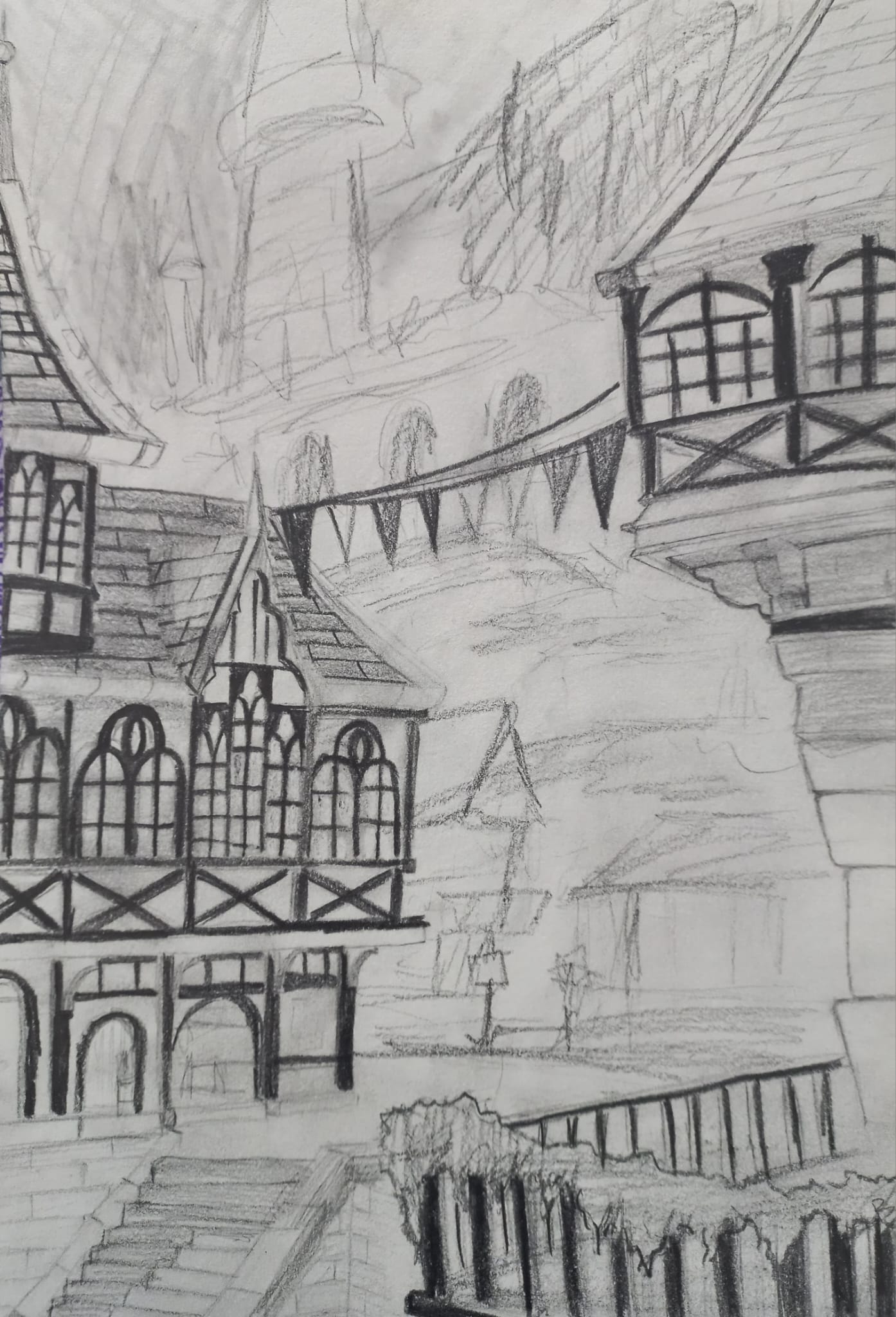
“My World”
The medium of this art piece is pencil sketch and the surface I have used is an A4 sketching paper.
Tools I have used are:
- Graphite pencils
- Eraser
- Sharpener
- Ruler
- Mechanical Pencil
- 160GSM A4 paper
This piece is inspired by my Minecraft world and reflects my long-standing interest in medieval-style architecture and dramatic mountain landscapes. I have always been drawn to the way villages can be designed to feel both practical and visually striking, especially when they are built into natural surroundings. In this sketch, I wanted to capture that idea by placing the village along the mountainside, so that the buildings and the landscape feel connected rather than separate. This creates a sense of harmony between the man-made structures and the environment around them.
Another important feature of this artwork is the contrast between the foreground and the background. The foreground, especially the house on the left and the tower on the right, is drawn with greater detail, stronger lines, and more depth so that these parts immediately attract the viewer’s attention. In comparison, the background is lighter, rougher, and less defined, which helps create the impression of distance and atmosphere. This difference in detail also gives the sketch a stronger sense of focus and space. Even though some parts of the background are less finished because of time limitations, this supports the effect of depth and makes the composition feel more natural.
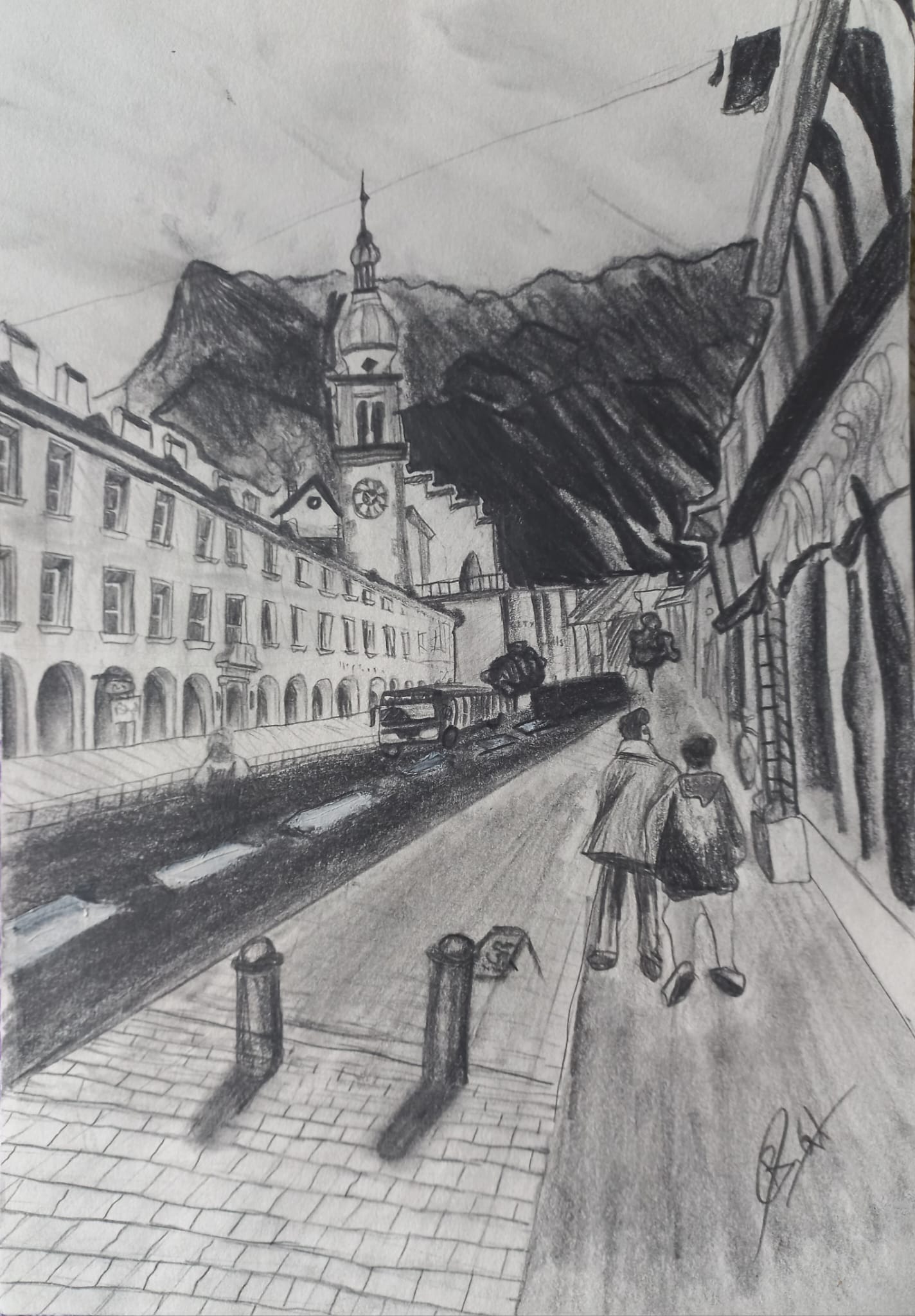
“Walk in Austria”
The medium of this art piece is pencil sketch and the surface I have used is an A4 sketching paper.
Tools I have used are:
- Graphite pencils
- Eraser
- Sharpener
- Ruler
- Mechanical Pencil
- 160GSM A4 paper
This art piece was inspired by a photograph I took during a vacation in Innsbruck, Austria. I have always admired architecture, especially when it blends naturally with its surroundings, and the view I saw in Austria was striking because the buildings existed in harmony with the Austrian Alps. As soon as I saw it, I knew I wanted to capture the scene.
Later, when I was searching for inspiration for a pencil sketch, I came across this photograph again and realized it was the perfect reference for the artwork I wanted to create.
Looking at the artwork itself, the main principle that stands out is perspective. Perspective is the technique of showing 3D objects on a 2D surface in the correct proportions so that they appear realistic. In simple terms, it recreates the way we see things in real life, where objects that are farther away appear smaller than those that are closer.
In this drawing, you can see that the objects are directed towards a single point, known as the vanishing point. The horizontal line across the composition is called the horizon line, and together these features help create a convincing sense of depth and space.
Another important feature of this artwork is shading. Since a pencil sketch is a black-and-white drawing without true colour, shading is essential for making the objects look realistic. By using lighter and darker tones of graphite, I was able to create shadows, show the effect of light, and give the drawing more form and depth.